Backhoe Bucket Compliance Requirements: What an 88-Hour Rescue Taught a Distributor
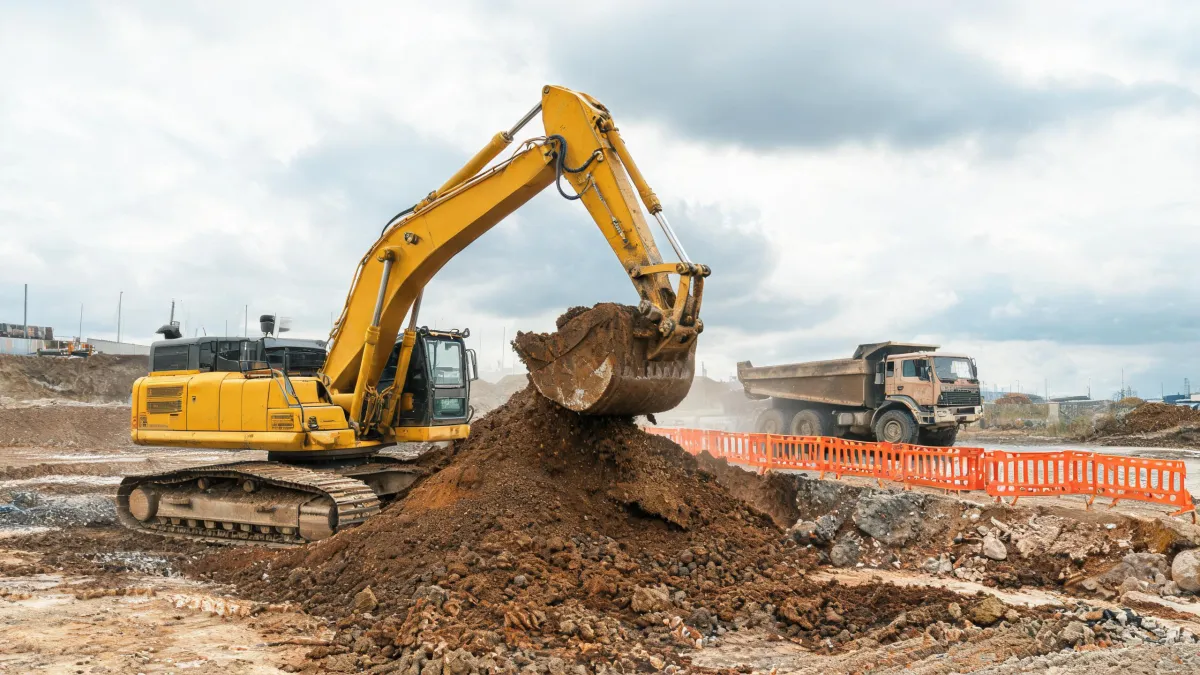
There are two kinds of emergency calls you get when you coordinate rush attachment orders for construction machines.
The first kind is: “Can I get a quote by Friday?” The second kind is: “We need a bucket on site before Monday, and it has to pass an inspection.” The first one is paperwork. The second one is a test of everything you know about your product.
I got the second kind on a Thursday last November at 2:37 in the afternoon.
The caller was Marcus, who runs a family-owned equipment distribution outfit in North Queensland. I’ll call him Marcus because, honestly, he’s called me enough times over the years that first names are easier. He didn’t waste time on pleasantries.
“I’ve got a customer with a new backhoe loader on a road job near Townsville. The site inspector has issued a non-conformance on the trenching bucket. Work starts Monday. I need a compliant 610 mm backhoe bucket here by Sunday night — with documentation.”
I looked at the calendar. “That gives you about 88 hours.”
“More like 88 and a half,” he said.
How the bucket got there
Here’s the part that makes this story worth telling.
When Marcus sold the machine, he offered the customer a genuine factory backhoe bucket as part of the package. The customer looked at the price difference — about A$650 — and decided to buy a custom bucket from a local welding workshop instead. The bucket looked right in photos. It was the right width. The steel looked heavy enough.
But when the operator tried to fit it, the quick coupler would not seat properly. The pin spacing was off by about 5 mm. One side locked; the other side did not fully engage. The coupler’s lock sensor never saw full closure.
That’s not a minor fitting issue. When a quick coupler cannot fully lock, the attachment can shift or release under load. The site safety inspector looked at it, looked at the paperwork folder, saw no drawings, no steel certificates, no manufacturer approval — and issued a non-conformance. The machine could not dig until the attachment was replaced.
What “backhoe bucket compliance” actually means
Here’s something that surprises a lot of buyers: there is no single international certificate that makes a backhoe bucket “compliant.” A bucket is not a standalone machine. The compliance question is about the combination — machine, quick coupler, bucket, and the evidence that the combination is safe to operate.
Most of the time, when a site inspector flags an attachment, they are not asking for a pretty paper frame. They are asking: can you prove this bucket was designed to work with this machine and this coupler, within the machine’s rated limits?
For quick couplers, international safety standards like ISO 13031:2016 (Earth-moving machinery — Quick couplers — Safety) place heavy emphasis on secure locking and monitoring. If a replacement bucket has the wrong pin spacing, the coupler cannot do its job. It doesn’t matter how thick the steel is or how nice the weld looks.
In Australia, the same logic shows up in workplace plant safety guidance. Safe Work Australia’s code on managing risks of plant puts the duty on the person controlling the plant to make sure it is safe — including anything fitted to the machine. A backhoe bucket that was never engineered for the coupler is not a minor paperwork gap. It is a plant safety issue.
That is the part people miss when they compare bucket prices on paper.
The 88-hour clock
Marcus needed one factory 610 mm trenching bucket with documentation that could be traced back to the actual unit. Not a generic “our buckets are all compliant” statement. A document set tied to a specific bucket batch.
We checked the drawing against the machine’s coupler specification. Match. We checked stock. We found the bucket in a warehouse in Brisbane. That was the good news.
The bad news? Brisbane to Townsville is about 1,400 km. Standard freight would deliver Tuesday. The project started Monday.
For the next hour and a half, we called transport companies. Finally, one dispatcher said they had a direct service leaving Friday evening and arriving Townsville on Sunday night. The price was A$1,350 plus GST. That is roughly four times what the same bucket would cost to freight on a normal schedule.
Marcus didn’t hesitate. “Book it.”
By Friday lunchtime, the bucket was strapped to a truck. On Sunday night at 11:10, the driver called to say it had arrived. On Monday morning at 6:15, the operator fitted it. The coupler clicked home. The lock bars seated. The sensor read fully engaged.
The inspector arrived at 9:00, checked the batch number against the documentation we’d sent ahead, and signed the machine off. By 9:40 the backhoe loader was working.
What the A$650 saving really cost
Count the numbers and it gets uncomfortable:
- The customer saved about A$650 on the locally fabricated bucket.
- He then paid A$1,350 in emergency freight to get a compliant bucket delivered in time.
- He lost three days of schedule while people argued about measurements and responsibility.
- He lost a full day of machine availability while the inspector reviewed the replacement documentation.
So the “saving” turned into roughly A$700 of extra cost before anyone counted the lost time. And if the bucket had not arrived by Monday? The project would have started with the backhoe loader parked. The contractor would have been looking at standby costs, delay costs, and a very angry principal contractor.
In the worst case — if someone had tried to force that misaligned coupler to work — the consequences could have been a dropped bucket, a damaged machine, or a serious injury. That is not a risk worth A$650.
Backhoe bucket compliance requirements: five questions to ask before you buy
After about 200 rush orders and six years of coordinating emergency attachment deliveries, I’ve learned that most of these calls follow the same pattern. Someone compared two buckets by price alone. Nobody compared them by total cost to the job.
If you’re a backhoe attachment distributor, or if you’re buying buckets for your own fleet, here are the questions that would have prevented this entire situation:
- Will this bucket actually fit my exact machine and coupler? Ask for a drawing or fitment reference. Do not accept “it fits all machines.” Pin spacing, pin diameter, and coupler geometry are engineering dimensions, not suggestions.
- Who is providing the compatibility statement? If the seller is a machine dealer or an excavator bucket manufacturer, they should be able to confirm the bucket is approved for the specific model and coupler. If they cannot, assume it won’t pass site review.
- What documentation comes with each bucket? A real compliance file ties documents to a specific bucket batch: material certificates, QC records, and a drawing reference. If the seller can’t trace the paperwork to the actual unit, the paperwork is not worth much.
- What happens if it arrives and doesn’t fit? Can you get a replacement in 48 hours, or will you spend a week waiting? The customer in this story learned that the local fabricator had no answer after the non-conformance was issued.
- Who answers questions after the sale? When an inspector asks hard questions, you want a supplier who understands machine compliance and can respond with evidence — not someone who stops answering the phone.
Any excavator bucket manufacturer can cut steel and weld it. Far fewer can give you a traceable engineering file, a compatibility statement, and a straight answer when something goes wrong on site. Those are the ones worth buying from.
The part that price lists don’t show
The same discipline applies when you’re comparing a Sunward excavator price. Buyers will spend weeks comparing machine specs, warranty terms, dealer support, and delivery dates. Then, at the last minute, they’ll order a bucket from whoever is cheapest on the internet.
A bucket is not an accessory. Once it is fitted to the machine, it becomes part of the plant. It is in the load path. If it fails, the machine fails with it.
Marcus’s customer called back a week later to order two more buckets — this time with the right documentation included. He also asked Marcus to quote a complete attachment package for the next machine he buys.
Sometimes that’s what it takes. The cheap bucket looked like a bargain right up until it stopped a machine from working.