Backhoe Loader OEM vs. Private Label: A Sunward Excavator Price Lesson
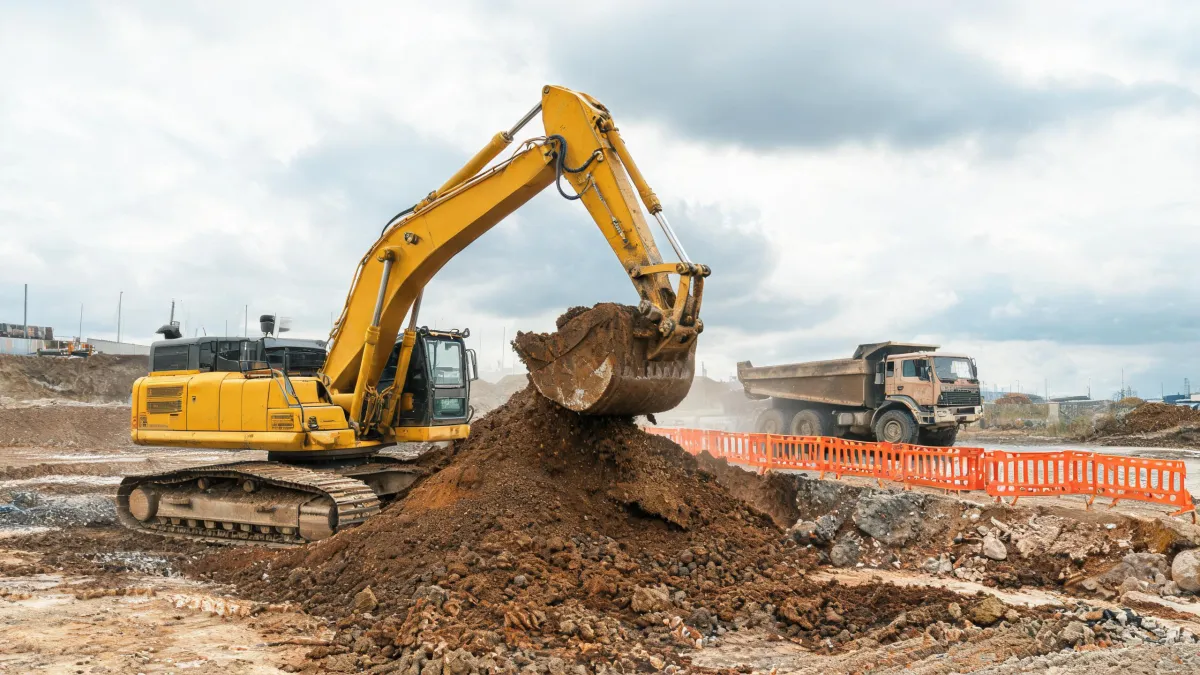
What this article compares: OEM route vs. private-label route
I have handled OEM and private-label equipment orders for eight years. I have personally made, and documented, six significant procurement mistakes, totaling roughly $74,000 in wasted budget. That is why I still keep an order checklist. This article is not a brochure.
If you are trying to answer a backhoe loader OEM vs. private label question, or if you are searching for a Sunward excavator, an excavator bucket wholesale supplier, or a reliable small excavator manufacturer, you are standing at the same fork I stood at in 2018.
Here is what I mean by the two routes:
Route A: Branded OEM distribution. You buy equipment from a manufacturer and sell it under that manufacturer's brand. Example: you distribute a Sunward excavator, backhoe loader, or attachment range, with Sunward's model numbers, manuals, and support systems.
Route B: Private label. A manufacturer builds the machine to your agreed configuration and puts your brand on it. You become the brand owner, responsible for the manual cover, the parts list, the warranty story, and often the compliance file.
I have done both. Neither is universally better. I chose wrong mostly when I compared only the first price.
Comparison 1: Brand trust and who answers the phone
From the outside, a branded unit and a private-label unit can look identical, especially if they come from the same production line. The reality is that the name on the machine tells the customer where support lives.
One of my first distribution orders was for Sunward compact excavators. A customer found a hydraulic leak on Friday afternoon. The parts system gave us the right part number, and we had the machine running before the next week's shift started. It felt like good planning. The brand was doing part of that work before I even picked up the phone.
When we moved part of our business to private-label backhoe loaders, I expected better margins and more control. I did not expect every customer question to start with, 'Who actually makes this?' The machine had our logo on the side and our logo on the service truck. In their view, we were the manufacturer. That can be a strength. It can also be overhead you have not priced.
The most frustrating part: you would think a written specification would prevent those conversations. It doesn't.
Conclusion on this dimension: If you don't have a service network and parts history yet, the branded route is less risky. The brand is part of the support product. Private labeling works better after you understand what the brand was quietly doing for you.
Comparison 2: Sunward excavator price vs. the full cost of the order
This is the dimension where I lost the most money.
In 2021, we compared a 12-unit backhoe loader order two ways: branded units from the manufacturer and private-label units of the same base machine. The private-label quote was $1,350 lower per unit. I approved it because the savings were easy to show.
Then the rest of the cost appeared. The printed manuals still had the factory's model number in the PDF title. Our company name on the safety decals had a typo, so all 12 machines needed new decals. The compliance paperwork did not match our private-label brand, and the inspection company held the shipment for nine extra days.
Don't hold me to the exact total, but that order probably cost about $700 per unit in correction and delay, and the nine-day delay pushed delivery past the customer's installation window. The lower quote was real. The full lifecycle cost was not lower.
That is why I get cautious when buyers compare a Sunward excavator price with a no-name price from an online quote. The price is one line. You still have to add logistics, customs, compliance, spare parts, service time, and the cost of a missed selling season.
Attachments are the same trap. An excavator bucket wholesale order looks simple until you match pin sizes, widths, capacity ratings, steel grade, and wear parts across four different machines. A branded bucket range from the same manufacturer as your machines simplifies that work. A private-label range makes you the engineer of record.
To be fair, private-label pricing can be the better long-term option if you have enough volume to build the required back office. It is not the better option just because the first number is lower.
Conclusion on this dimension: Compare total cost over the first two to three years, not the invoice per unit. In my order history, the lowest quote was not the lowest total cost in roughly six out of ten projects. That is not a scientific study. It is a pattern I paid to see.
Comparison 3: Spec control, compliance, and the paperwork trap
Here is where I once assumed private label was the obvious winner. You control the specs. You control the brand. You control the customer, right?
Not exactly.
People assume that putting your logo on a machine means you have control. What they don't see is that in many markets, your logo also means legal responsibility. If you place a machine on the European market under your brand, the responsible party normally needs the technical file, declaration of conformity, and supporting test reports. The factory's CE marking may not automatically transfer to a machine that names your company as the responsible manufacturer.
I learned this the expensive way. The machine was exactly as specified. The documentation was not. That is the part that never shows up on the price sheet.
Ask the manufacturer which standards apply to that exact model for your destination market: ISO 20474 for earth-moving machinery safety, plus emissions rules such as EU Stage V or US EPA Tier 4. If the answer is 'we will put your logo on the existing plate,' ask to see the technical file ownership before you sign.
The branded route has its own limitations, but compliance documentation is usually included in the package. The private-label route shifts more of the burden to you. That can create flexibility. It also creates homework.
Conclusion on this dimension: Private label gives you more product control and less compliance safety until you build your own compliance capability. For many new importers, that hidden cost alone cancels the price advantage.
Which route should you actually choose?
My answer depends less on the factory and more on what you have already built.
- If you are a contractor buying machines for your own fleet, use the branded route. You are not trying to build a second brand; you are trying to finish jobs. A Sunward excavator with factory support is easier to keep working than a private-label machine that requires you to be the factory.
- If you are a new dealer or rental company, start with branded equipment and branded attachments. Build parts history and service experience first. Private label can come later.
- If you already have a registered brand, spare parts warehouse, trained technicians, and compliance support, private label is workable. Use it for high-volume models where the support burden is predictable.
- If you are only buying attachments, treat an excavator bucket wholesale order like a machine order. Pin size, width, capacity, material, and lead time all need to be written down. Branded buckets from the same supplier as your machines reduce the chance of mismatch.
One more thing I learned: a broad product line is more valuable than it looks. Once you buy Sunward excavators, the same factory relationship can supply backhoe loaders, telehandlers, buckets, and service parts. If every item comes from a different supplier, every interface becomes a negotiation.
Here is the checklist I use now before any backhoe loader OEM vs. private label decision:
First, confirm the standards that apply to your market. Second, calculate the landed cost per unit, including inspection and compliance. Third, estimate what the first year of support will cost. In that order.
After the third support call on a private-label machine, I was ready to close that whole part of the business. What helped was treating private label as a responsibility agreement, not a sticker swap. The agreement has to define who writes the manuals, who holds the technical file, and who handles a warranty claim on a machine sent from your brand's warehouse.
My final confession: the biggest mistake was not choosing private label. It was choosing private label before we were ready to act like the manufacturer. The equipment was fine. The missing support system was the problem.
Do not repeat my checklist gap. Get the product, the support plan, and the documentation in the same order.