Sunward Excavator Prices in 2026: A Buyer's Guide for Mini Excavators, Backhoes, and Wholesale Sourcing
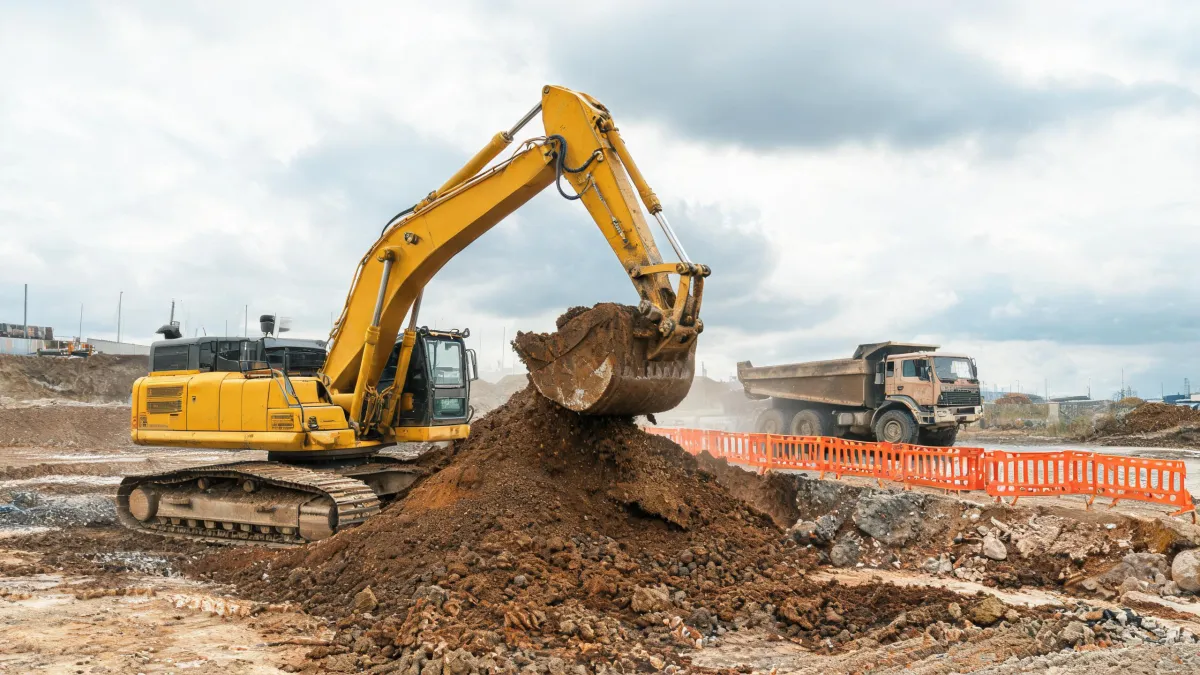
If you're weighing a Sunward excavator against a used machine or another small excavator supplier, here's the answer up front: In early 2026, new Sunward mini excavators and backhoe loaders from direct wholesale channels usually land in the $15,000–$40,000 range depending on size and configuration—but the real cost question is what you get after you sign, not the quote line. I say that after five years of managing equipment purchases for a small contracting company. On paper, used looks cheaper and factory-direct looks complicated. In practice, the gap between them closes fast once you add freight, compliance paperwork, parts, and downtime.
To give this context: I'm not a dealer and I don't work for Sunward. I'm the office administrator for a 12-person civil construction company. I process 60–80 equipment and parts orders a year—roughly $300,000 in spend across six vendors—and I report to both operations and finance. When I took over purchasing in 2020, one vendor couldn't produce a proper invoice for a $2,400 order. Finance rejected the expense report, and I ate it out of the department budget. Now I verify invoicing capability before placing any order. After five years of managing these relationships, I've read enough quotes to know where the surprises hide.
How to read Sunward excavator pricing
Sunward is an original equipment manufacturer, not a broker. That's why they stayed on our list. But there isn't one official Sunward excavator price that applies to everyone. A quote depends on model, engine tier, bucket package, cab/ROPS, hydraulic options, freight, import fees, and whether the seller is the factory or an authorized distributor.
From the quotes I've seen in 2025 and early 2026:
- 1.5–3.5 ton mini excavators: roughly $15,000–$28,000 before delivery
- 6-ton excavators: roughly $28,000–$40,000
- Loader/backhoe units: roughly $22,000–$38,000 depending on setup
Use those as planning numbers, not fixed prices. I had one supplier quote $23,400 for a unit; another quoted $27,900 for a nearly identical spec. The cheaper quote wasn't necessarily smarter—it just didn't include the hydraulic thumb or the compliance packet. When you ask for a Sunward excavator price, ask for a line-item breakdown: machine, bucket, thumb, hydraulic lines, shipping, customs, EPA/Tier paperwork, and warranty. Then compare those lines, not the total.
One quote I reviewed came in at $21,800. No wait—$23,600 after they added the bucket, hydraulic thumb, and spare filters. The headline number wasn't false; it was just incomplete, and my finance guy hates incomplete.
What to ask a small excavator supplier before sending a deposit
The term small excavator supplier can mean three different things: the manufacturer, an authorized distributor, or a broker who can get you a container. All three can work, but they carry different risk. If someone says they're factory-direct, I ask for the factory name and a commercial invoice. If someone says they have all models in stock, I ask for serial numbers and a photo of that specific machine. Guaranteed stock is not a quote; it's a phrase.
Seriously, ask for serial numbers. A serious small excavator supplier should be able to send the following before you send any money:
- a quotation on company letterhead with model, serial number or VIN, and configuration details
- emissions compliance documents if the machine is going to the U.S. or EU
- payment terms and the exact legal entity you're sending money to
- a delivery timeline with a week, not soon
If they can't produce those, I stop. That's not about language or culture; it's about control. A manufacturer that sells through a distributor has a process. A broker with a low price and a WhatsApp number is a gamble. Even after choosing a factory-direct supplier for one order, I kept second-guessing. What if the paperwork arrived late? The two weeks until the bill of lading showed up were stressful.
Buying from a backhoe manufacturer: what I learned
Sunward is better known for excavators, but they're also a backhoe manufacturer. If you're looking at a loader/backhoe, the same value logic applies: you get a broad product line at factory-direct prices, but you need to ask which assembly plant builds the model you're buying and where parts ship from. That matters more than the paint color.
We compared a used backhoe with low hours and a new Sunward loader/backhoe. The used one looked clean in photos, but the repair history was unclear. The new Sunward came with a warranty claim process, an operator manual, and a supplier who answered the phone. The upside was saving around $6,000 on the used machine. The risk was a week of downtime in the middle of a municipal job. I kept asking myself: is $6,000 worth missing a deadline? The expected value said maybe, but the downside felt bad. In our situation, the new machine was the safer buy. If you have a mechanic on staff and a flexible schedule, used might be the right call. I don't think used is inherently worse—it's a different risk profile.
A used excavator wholesale cost guide that won't feed your hopes
When I look at used equipment, I don't start with the asking price. I start with total cost of ownership. Here's the rough filter I use:
- Find actual sold prices from auction results or dealer records, not active listings. Active listings are dreams; sold prices are facts.
- Add 20–30% to the purchase price for repairs, parts, and one missing component—unless you have a full inspection report.
- Add a labor rate for downtime. If a machine sits for two weeks waiting for a part, that's lost revenue, not an equipment expense.
- Compare that number to a new Sunward quote with warranty and predictable parts support.
This isn't a perfect formula. It's a rough filter. It keeps me from falling for the surface illusion that used is always the value play. From the outside, a used excavator looks like the smart financial choice. The reality is that the $6,000 you save on the purchase price can vanish in one hydraulic repair and a week of rental equipment.
If you're an OEM or private-label buyer looking for 20 or more units, this guide is too small for you. Your questions should be about decals, paint, bucket widths, pre-delivery inspection, warranty flow, spare parts stocking, and packaging. Sunward's OEM/private label support is one of the reasons we looked at them in the first place, but that's a different buying process from buying one machine for a jobsite.
One more verification habit: if a seller claims a machine meets EPA, CE, or all international standards, ask for the document. Per FTC guidelines, advertising claims have to be substantiated—see ftc.gov/business-guidance/advertising-marketing for the general principle. I ask the same question of every dealer, not just Sunward. If they get annoyed, that tells me something.
The honest boundaries of this advice
This worked for us because we're a small company with predictable replacement cycles and a mechanic who handles basic maintenance. If you're a rental company planning to order 50 units, hire someone who does import logistics full-time. If you need a machine working next week, pay for local dealer support. If you're buying blind from a broker, you're not saving money—you're taking risk with extra steps.
Honestly, I'm not sure why Sunward quotes vary so much from one supplier to another. My best guess is that freight, distributor margin, and compliance handling are where the flexibility shows up. I've never fully understood attachment pricing either; the difference between a quick coupler quote and the final invoice seems more art than science. So use my numbers as a starting point, not gospel.
Take it from someone who has fixed a lot of bad buying decisions: the negotiation doesn't end when the price is agreed. It ends when the machine arrives, starts, and works. Trust me on this one.