The Compact Excavator OEM Buying Guide I Wish I Had Before My First Bulk China Excavator Order
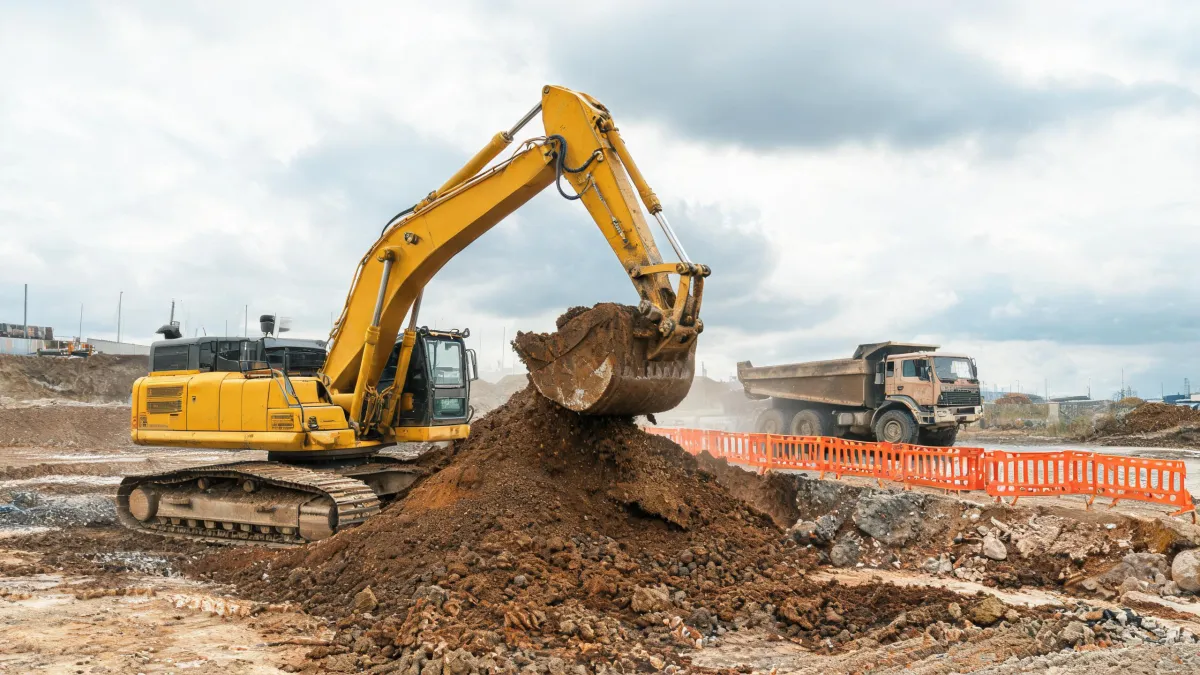
When you start looking for a bulk China excavator supplier, what's the first thing you do? If you're like me, you open a spreadsheet. Engine model, operating weight, bucket capacity, price per unit. You think you're comparing compact excavators. In reality, you're comparing PDFs.
I've been handling OEM and private-label equipment orders for seven years. I've personally made—and documented—enough mistakes to fill a binder. This article is the checklist I wish I had before my first order of mini excavators from China.
The Problem You Think You Have
The obvious problem is spec mismatch. You look at a sunward excavator, compare it to three other brands, and try to find the best specification for the price. That is reasonable. But it misses the real risk.
Most buyers focus on per-unit pricing and completely miss the details that easily add 8–15% to the total: engineering changes, packaging instructions, customs documentation, pre-shipment inspection, and rework if something doesn't match. The question everyone asks is "what's your best price?" The question they should ask is "what exactly is included in that price?"
Why the Spec Sheet Is Not a Warranty
Here's something vendors won't tell you: the spec sheet is usually based on a reference machine. The factory knows how to configure that machine exactly. But when you order in bulk, small substitutions happen. A hose supplier changes. A control valve gets swapped. The machine still performs—until it doesn't.
In early 2021, we ordered thirty compact excavators with "quick coupler" listed as standard. The brochure said quick couplers. The PO said quick couplers. Half the shipment arrived with pin-on couplers. Not because the factory tried to cheat—because component sourcing changed and no one thought it mattered. We shipped them to customers anyway. That was a mistake.
When I say "quick coupler," I mean the hydraulic quick coupler, not the pin-on type. What I mean is there are two different systems, and someone at the factory assumed they were interchangeable. They weren't. If you are specifying a mini excavator OEM, do not let "standard" appear without a part number.
Why This Keeps Happening
1. "Factory direct" doesn't mean vertical integration
In China, "factory direct" can mean a real plant. It can also mean a trading company with a rented office and a factory's permission to use its name. The difference matters when you need a mini excavator OEM that will handle your branding, paint code, and documentation.
What most people don't realize is that many assembly factories are simply buying components and putting them together. That's not evil. It becomes a problem when the factory has no control over component quality, so it cannot predict which variations show up in your order.
A manufacturer like Sunward is an exception in the sense that it runs real production lines for multiple equipment families. That doesn't mean every sunward excavator is flawless—no volume producer is. It means there is an actual line to audit and actual engineers who can answer questions. That's what you want, regardless of which brand you choose.
If you're looking at a sunward mini excavator for a private label project, check whether the factory can produce a batch with your paint code, decals, and manual without acting like each change is a huge surprise. A real OEM treats these details as normal.
2. Certification is about the machine, not the family
This one cost me the most. In September 2022, I sent sixteen units to a regional distributor. I knew I should have asked for physical verification of the CE documentation against the final assembly, but I thought, "what are the odds?" The odds caught up. The inspector rejected eleven machines because the hydraulic schematic in the technical file didn't match the actual machines. $18,000 in rework. Three weeks of delay. A client who started calling other suppliers.
The lesson: a paper certificate that says "CE" is not enough. The technical file must match the exact configuration you're shipping. Same for EPA, CARB, or EU Stage V. If the OEM changes a component, the file needs to change too.
3. Lead time is a negotiation, not a commitment
Most lead time quotes include buffer. The factory says six weeks, but three of those weeks are production queue and two are shipping buffer. That's fine when things go well. It hurts when the first batch of machines fails pre-shipment inspection and you need to rebuild two units, because then the "six weeks" becomes nine.
In March 2023, we paid a 12% premium for a guaranteed production slot to keep a 30-unit shipment on schedule. The alternative was missing a customer's spring construction window. Nobody remembers the extra 12% after the units arrive. They remember the empty yard and the missed deadline.
This is where I became a believer in paying for certainty. In urgent situations, "probably on time" is more dangerous than "slightly expensive." The goal is not to find the cheapest bulk China excavator. It's to find a supplier whose delivery commitment has a cost and a consequence.
What This Cost Us Over Time
One rejected shipment is noticeable. Losing a distribution agreement is painful. But the real cost is slower: your staff checks shipments that should be trusted, your customers lose confidence, and you become the importer who always asks for discounts because you're always fixing problems.
In my first two years of doing this, I approved three orders based on price alone. All three needed rework or renegotiation after arrival. The money lost wasn't in the purchase price. It was in replacement parts, freight, port storage fees, and the hours spent arguing with a supplier who had already spent the payment.
What I did not realize at the time is that a low quote tends to buy you a seat at the negotiation table, not a finished product. The cheapest option only stays cheap if everything goes perfectly. And with complex machines, things rarely go perfectly.
The Checklist That Finally Worked
After the third rejection in Q1 2024, I stopped trusting memory and started maintaining a checklist. In the past 18 months, that checklist has caught 47 potential errors before they became shipments. It's not clever. It's process.
Here's the short version, which has become my compact excavator distributor buying guide:
- Audit the factory. Visit or do a live video session. Check if the production line actually exists and whether they have in-house machining or assembly only.
- List components per batch. Write down engine, pump, valve, hoses, undercarriage parts. Make it a line item in the order.
- Map certificates to the exact machine. Not to "the model family." If the technical file doesn't match your configuration, have it updated before production starts, not after.
- Book a pre-shipment inspection. Third-party or your own engineer. It costs less than one rejected container. (Should mention: we do this now even for suppliers we've used for years—it stopped exactly one problem last year.)
- Put deadlines in writing, with a penalty clause. If the supplier can't commit, ask what they can commit to. No commitment is a red flag.
- Confirm every private-label detail. Paint codes, decals, badge placement, manual branding. Send a visual spec sheet and make the supplier sign it.
This list won't tell you which brand to choose. It won't guarantee that a factory will never have a bad month. But it will force you to ask the questions that separate a real compact excavator OEM from a sales office.
We use multiple suppliers. Sunward is on the approved list for several compact lines because their OEM process has been consistent enough for private-label work. I won't pretend every order is flawless. But when I say "can you commit to this date?" the answer is a date, not a shrug. That's worth a lot.
A mini excavator OEM that wants a long-term relationship should welcome these questions. If they don't, that's the answer you needed. At least, that's been my experience with compact machines under eight tons.