Why 'Cheap' Excavator Buckets Cost Me $8,000 — And What I Wish I'd Known About Wholesale Sourcing
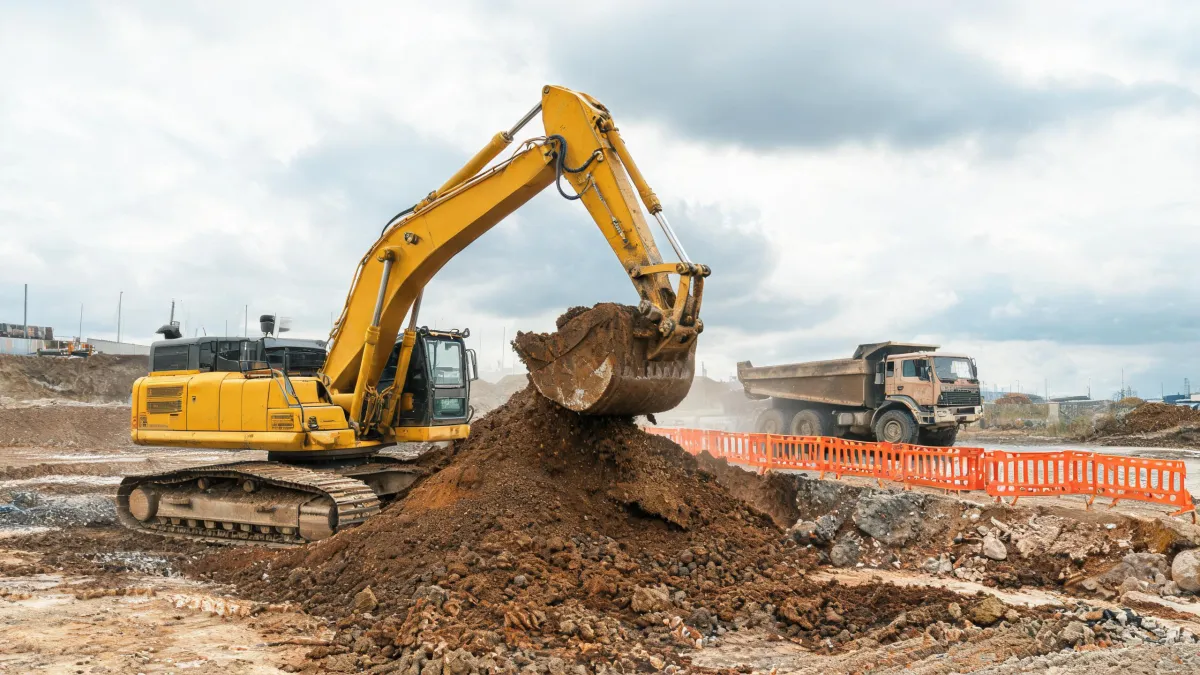
September 2022. A 40-foot container from a factory I'll call "Supplier R" arrived at our warehouse with 40 excavator buckets for 5-ton mini excavators. Unit price: $380. That was $55 cheaper per piece than our usual supplier. Forty pieces meant $2,200 in "savings."
Three weeks later, 11 of those buckets had cracked welds. Not cosmetic cracks — structural failures at the weld toe where the shell meets the cutting edge. We paid $2,860 in rework, air-freighted replacements, and ate a 9-day delivery delay. Net result: $660 in the hole, four dealer relationships damaged, and roughly 60 hours of my time gone.
That was my third bucket-related screwup in three years. So I sat down and audited every attachment order I'd touched since 2019. What I found wasn't a supplier problem. It was a me problem — and it's the same one I see B2B buyers make every single quarter.
The Surface Problem: "Bad Factory, Bad Bucket"
That's what I told my boss, anyway. Supplier R cut corners. Their welds were inconsistent. Their plate thickness was underspec. Classic case of "you get what you pay for" from a low-cost country.
Except when I visited their facility six months later (part of a broader supplier audit trip), their equipment was fine. Their welders had 8+ years of experience. Their QC process existed on paper. Something else was going on.
The Deeper Reason Nobody Talks About
Here's what I wish someone had told me in 2019: an excavator bucket is not a commodity. It looks like one on an RFQ sheet. Same dimensions, same capacity rating, same mounting pattern. But two buckets with "identical specs" from two different factories can behave completely differently in the field.
The difference comes down to things that don't fit on a one-page spec sheet:
- Weld sequencing. Heat input during welding distorts steel. A factory that welds before final machining gets a different result than one that post-machines after welding. Neither approach is wrong — but only one is right for a given duty cycle.
- Plate tolerance. "16mm plate" can mean 15.4mm or 16.6mm depending on the mill. That 0.6mm gap compounds across a stressed joint.
- Weld toe geometry. A sharp transition at the weld toe creates a stress riser. Under impact loading — which is what a bucket actually experiences — that's where cracks start.
None of this shows up in a WhatsApp quote. And when you're sourcing 40 units from an unknown excavator supplier, you don't know what you don't know.
It's tempting to think you can just compare unit prices. But the context of manufacturing matters more than the number on the invoice.
The OEM/Aftermarket Confusion That Cost Me $1,400
One more layer. In early 2023, I tried to save money by sourcing buckets for our used excavator OEM program — refurbished units we resell to smaller contractors. I ordered 30 buckets from a supplier who claimed "OEM-compatible fitment."
They fit. Mostly. Twelve of them had pin bore tolerances that were just loose enough to cause premature wear. Not a failure, exactly — just accelerated wear that showed up at 200 hours instead of 600. Two customers came back within four months. That cost me roughly $1,400 in warranty replacements.
The lesson: "OEM-compatible" and "OEM-spec" are not the same thing. When you're sourcing for used equipment — whether you're buying or supplying — pin bore tolerance, bushing material, and mounting ear thickness need to be verified against the original drawings, not against a generic fitment chart.
What the "Savings" Actually Cost
Let me put real numbers on the September 2022 order, because I think this is where most buyers stop thinking:
- Unit price savings: $2,200 (40 units × $55)
- Rework labor + materials: $1,340
- Expedited shipping for replacements: $920
- Air freight for 11 replacement units: $600
- Customer credits (goodwill): $400
- My time at ~60 hours: conservatively $1,800
Total: $7,260 in costs against $2,200 in "savings." That's a net loss of over $5,000 on one order. And that's before counting the four dealers who now require weld procedure documentation on every bucket order.
If I'd added the same weld-cert and material-trace requirements to my Supplier R RFQ that I now use on every order, I would've seen the red flags immediately. They couldn't provide a WPS (welding procedure specification) — which, in hindsight, is a screaming signal.
The Checklist I Wish I'd Had in 2019
I'm not going to pretend this is a comprehensive sourcing guide. It's just the five things that would've saved me the most money, written down after too many expensive lessons.
- Ask for the WPS and WPQ. A welding procedure specification and welder qualification record tell you more about a factory's capability than any sample bucket will. If they can't produce these, move on.
- Specify the duty cycle, not just the dimensions. "0.2m³ capacity" is meaningless without context. Tell the factory whether the bucket will see clay, shot rock, or demolition debris. The plate thickness and weld geometry should change based on that answer.
- Separate "OEM" from "OEM-compatible." If you're sourcing for a used excavator OEM or refurbishment program, get the original pin bore drawings. Verify with gauges, not eyeballs.
- Build a TCO column into your RFQ spreadsheet. It doesn't have to be perfect. Even a rough estimate of rework rate × labor cost + expected delay days × daily downtime cost will change which quote is actually the cheapest.
- Work with a known dealer or supplier when possible. A Sunward dealer, for instance, has direct factory communication channels and a documented parts history for their excavator models. That's not marketing fluff — it's a structural advantage when something goes wrong at 3 AM and you need a replacement weld procedure from the factory, not a WhatsApp "we'll check."
I'll be honest: I still occasionally get a quote that's 20% cheaper than everyone else and I feel that pull. But now I add the TCO column. And 9 times out of 10, the "cheaper" quote loses.
The most expensive bucket I ever bought was the cheapest one on the quote sheet.