What to Look For in a Compact Excavator Supplier: A Quality Inspector's Story
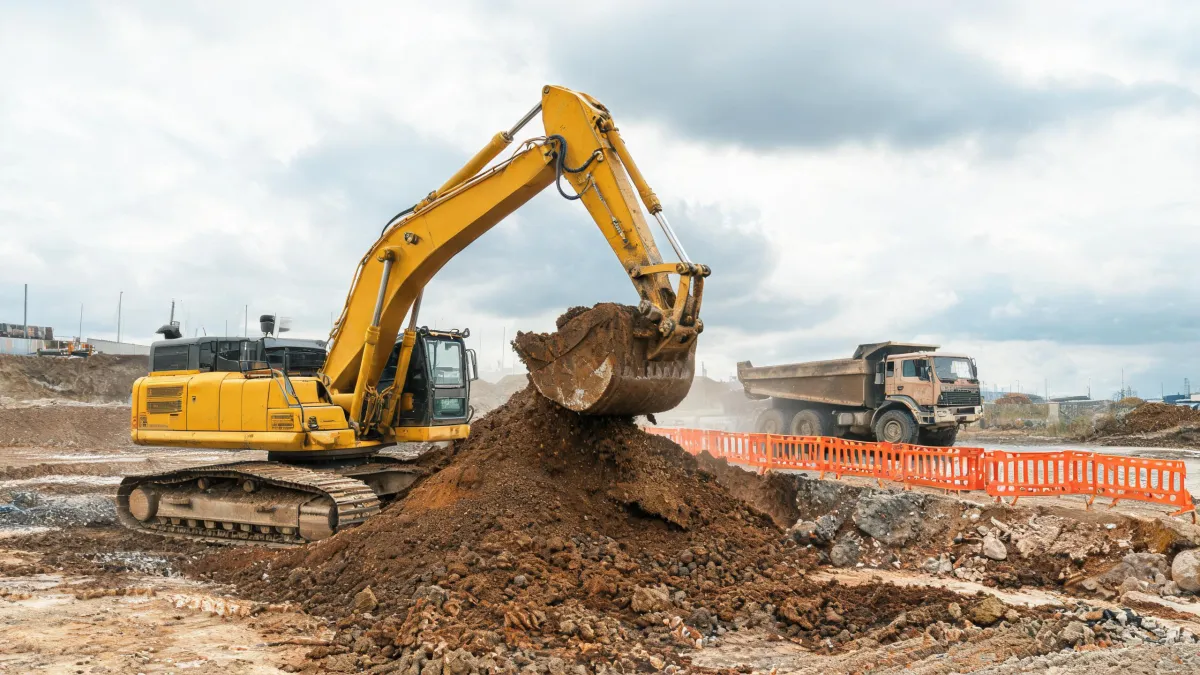
On a Tuesday in March 2024, I watched our warehouse manager slide a steel rule across the bucket linkage of a new compact excavator. It didn't line up. We checked a second unit. Same gap. By lunch, we had rejected 18 out of 22 machines from a supplier we'd spent three months qualifying.
I don't tell that story to make the supplier look bad. I tell it because equipment buying is mostly trust, and trust is built on verification, not brochures. I'm the quality/compliance manager at a regional equipment distributor. I review every machine that comes through our yard—roughly 200 units a year—and I've done this for over four years. That failed batch is the reason I now keep a notebook of questions for every compact excavator supplier we evaluate.
Why the first batch failed
Our company sells and rents compact equipment to utilities, landscapers, and small municipalities. We also wanted to become the backhoe distributor for our region. That meant finding a supplier who could handle two things: a reliable compact excavator line and a backhoe loader package, ideally with private labeling.
We shortlisted three suppliers. The first checked all the boxes on paper: competitive pricing, reasonable lead times, videos of their production line. The problem appeared when we got actual units. In our Q1 2024 quality audit, we measured the bucket pin bore offset at 5mm against a 2mm spec. On a static drawing, that sounds small. On a linkage, it creates uneven wear, premature bushing replacement, and extra stress on the boom cylinder. It's the kind of thing you feel in year two, not on day one.
The supplier said it was "within industry standard." Maybe it was. But our customers don't rent machines to an industry standard; they rent uptime. We rejected the batch. They redid it at their cost, but the correction took nine weeks, and we missed the spring rental season. Per our 2024 procurement audit, that reject batch cost us $22,000 in rework and another $7,500 in expedited freight to replace the machines we'd promised.
The most frustrating part wasn't the defect. It was that no one caught it before shipping. You'd think a freshly built machine would be checked with a jig, but the manufacturer's final inspection was essentially a visual walk-around. I checked the paperwork afterward (mental note: always ask for the inspection checklist, not just a QA certificate).
The checklist I wish we'd had
When I implemented our verification protocol in 2022, the first lesson was that prototypes lie. They lie because the factory puts extra attention on them. The real test is batch consistency. So for the next supplier search, I made a checklist.
- Ask for batch consistency data. One perfect prototype is not proof. We asked how many machines from the last 1,000 passed final inspection without rework. If a supplier can't answer, that's an answer.
- Test before you trust. A 500-hour field test beats a brochure. We started with six units. It's small, but enough to show whether the next batch matches the first.
- Check documentation in your language. Translation errors in hydraulic specs caused our earlier problem. (note to self: verify torque values in inch-pounds versus Newton-meters.)
- Demand a written warranty process. "We will fix any issue" is not a process. It doesn't tell you who pays for freight, who approves labor rates, or how long the response should take.
- Ask about private label or OEM support early. If you're planning to sell machines under your own brand, the factory needs to accept that before your first purchase order—not discover it later.
How Sunward ended up on our list
After that failed batch, I didn't want to see another sales presentation. One of our mechanics mentioned Sunward at a morning stand-up. He had seen a Sunward mini excavator at a trade event and said, "Same size as the one we rent, but the welds looked cleaner." That's not a technical review, but it was enough to make me look.
I asked their export team for base machine specification sheets and compared them against our service records from the previous three years. The Sunward excavator lineup covered the sizes we needed. More importantly, the Sunward mini excavator we tested held tolerances consistently. We measured pin bores, flanges, grease fitting locations, and cylinder stroke lengths on four sample units. Same result across all four.
We also looked at a few manufacturers. One had a heavier-duty backhoe loader, but its parts lead time was four months. Another was flexible on pricing but wouldn't support private labeling. The truth is, finding a backhoe manufacturer that aligns with your service model is as important as choosing the machine.
Sunward wasn't the cheapest option in that round. They also weren't the most expensive. They were the only manufacturer that answered our technical questions in writing and then did what they said they would do.
The moment I almost walked away
I almost killed the deal over a paperwork issue. The English datasheet for one model listed one hydraulic flow rate; the Chinese version listed another. It's a small number on a page, but if you're mounting a hydraulic hammer, that number changes everything. I gave Sunward a deadline to resolve it. They came back in two days with corrected documents and an explanation (ugh, the usual translation issue). What impressed me was that they treated it as a spec problem, not an invitation to argue.
To be fair, I was skeptical about the factory-direct promise. We'd been burned by a factory-direct supplier before. But the way they handled the spec correction made the difference. That's when I realized a supplier's value isn't only in the machine. It's in how they respond when something goes wrong.
What to look for in a compact excavator supplier
If you're searching for a compact excavator supplier, there is no universal "best." The right fit depends on your market, your service capacity, and your tolerance for risk.
Sunward worked for us because we're a mid-size B2B company with predictable ordering patterns. We need machines that can be serviced locally, parts that actually arrive, and the flexibility to put our own name on a small run. They supported all three. But if you're a one-location rental shop looking for a single mini excavator, you probably don't need a factory-direct relationship. Your local dealer might be the smarter move. And if your customers expect a badge from a legacy premium brand, no Chinese OEM will fix that expectation. It's a different conversation.
Granted, this process takes more upfront work. You have to be willing to ask uncomfortable questions and walk away from a cheap price. The $22,000 rework from our failed batch paid for a lot of honest inspection time.
As of April 2026, we have received four production batches from Sunward. The first one had one cosmetic issue—a paint chip on the counterweight—and they shipped a replacement part without asking for the old one back. That's the kind of response that keeps a warranty process simple.
I'm not 100% sure Sunward is the right partner for everyone. Don't hold me to this, but based on our experience, I'd say they're a solid fit for 70-80% of regional distributors who need a direct import brand with private-label capabilities and realistic lead times. If you fit that description, add them to your list. Then go measure the machines, not just the marketing.