The 11:40 PM Call: What a Small Excavator Dealer's Rush Order Taught Me About Wholesale
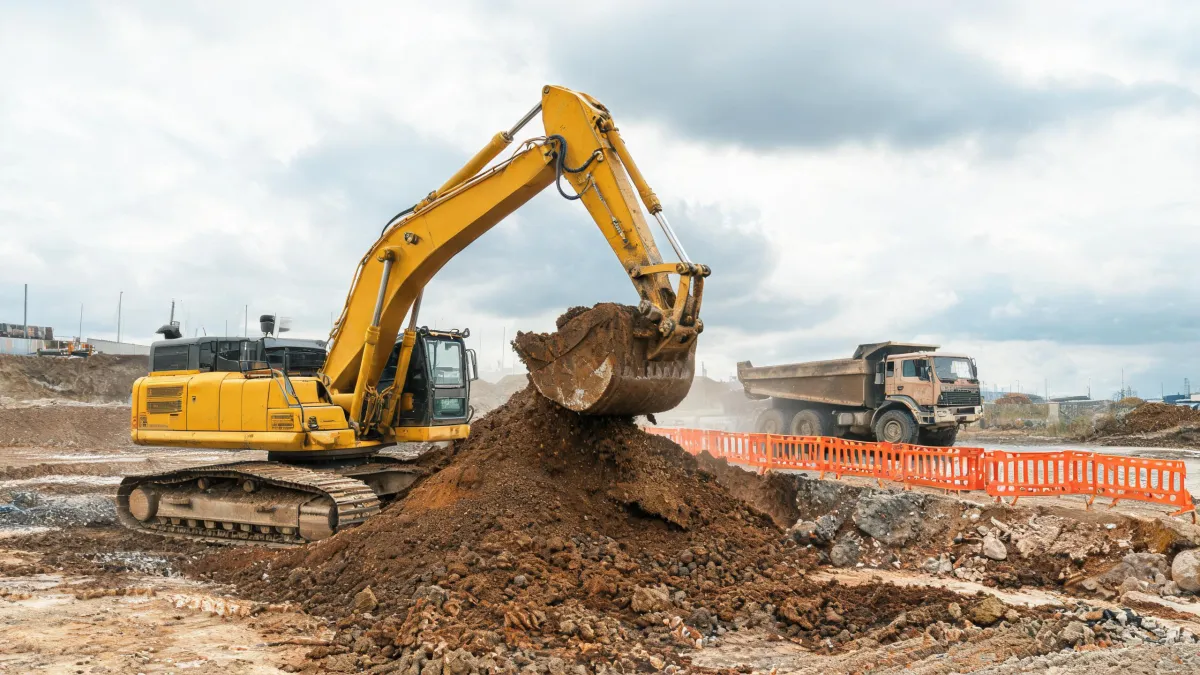
In March 2024, my phone rang at 11:40 PM on a Thursday. I'm a supply coordinator at a construction equipment company—the kind of role where late-night calls usually mean somebody's shipment is stuck at customs or a container got rolled.
This call was different.
The guy on the other end ran a small dealership out of Ohio. Three-person operation. Mostly residential contractors—driveways, small foundations, landscaping. He'd been in business for maybe eighteen months and had placed exactly one inquiry with us a month earlier. No orders yet. Just a quote request for a Sunward mini excavator that he'd probably filed away and forgotten about.
But now he had a problem. One of his regulars—a concrete contractor—had won a job that required breaking ground in 72 hours. The contractor needed a compact excavator on site by Monday morning. The dealer didn't have one in his yard. The rental houses he called were all booked out for the next two weeks.
So he called us. At 11:40 PM. Because he found my number on the quote he'd gotten a month earlier.
The Problem With 'Small'
I need to be honest about my first reaction: I thought, this is not going to be worth it.
One unit. A mini excavator, probably in the 1.7 to 2.5 ton range. No attachments. No parts package. No service contract. Just one machine going to a dealer I'd literally never processed an order for.
In our industry, there's an unspoken hierarchy. The big distributors—the ones who move 50+ units a year—they get first priority on everything. Their calls get returned first. Their orders get expedited first. When stock is tight, they get the inventory. It's not written down anywhere, but it's how things work. The entire wholesale supply chain is optimized for volume.
Small orders get pushed to the back of the queue. Not maliciously—it's just math. When you're allocating limited manufacturing slots and shipping containers, a 1-unit order versus a 20-unit order is an easy call.
But something about this guy's situation stuck with me. It was the way he described the contractor—someone he'd worked with since day one. The job wasn't huge, but it was a relationship-maker. And he knew that if he couldn't deliver, the contractor would find someone else who could.
"I know it's a small order," he said. "But this isn't just about one machine. If I can't come through on this one, I'm done with that contractor."
I've heard that line maybe two hundred times in my career. Usually it's just a negotiation tactic. But this one felt different.
When Conventional Wisdom Fails
Everything I'd learned about wholesale distribution said to tell him to wait. Standard lead time for a custom-configured Sunward mini excavator was 4 to 6 weeks. Even our domestic stock—the units we keep for dealer orders—typically ran on a 10-day fulfillment window. Asking for a Monday delivery on a Thursday night was, by any reasonable measure, impossible.
But here's the thing about conventional wisdom—it's usually built for average cases.
I started making calls. Not to our main production scheduling desk, because they'd just tell me what I already knew. I called our regional warehouse. I called the parts and attachments depot. I called the account manager who handles our smaller dealer relationships.
By 12:30 AM, I'd found something interesting. We didn't have the exact model he'd originally requested—the one from his month-old quote. But we did have a similar config that was overstocked at a regional warehouse. Different color, different bucket size. Same base machine. Same warranty. Basically the same price, actually.
Here's where I expected another obstacle: he'd probably want the exact machine he'd quoted. Customers usually do. They compare specs line by line. They read every review. They've made a decision and they want that decision respected.
But when I called him back at 12:45 AM, he surprised me.
"How much different is it?" he asked. "Different enough to matter?"
I explained the differences. He asked two questions—both about the bucket and whether the warranty transferred. That was it. He said he'd take it.
It's tempting to think every buyer needs the perfect machine. But most of them just need a machine that does the job. The average small excavator distributor buying guide will tell you to match specs to tasks and never compromise. That's valid. But it ignores context. When you're 72 hours from a deadline, a machine that's 95% right is infinitely better than a machine that's 100% right and 3 weeks away.
The Real Reason It Worked
We got the machine out on Friday afternoon. It arrived Monday morning, about four hours before the concrete crew showed up. The dealer was ecstatic. He sent us a photo of the machine breaking ground.
But the part that actually mattered to me came six months later. That same dealer placed his first real order—five machines, including three Sunward excavators of different sizes and a backhoe loader. Not because we were the cheapest option. Not because our specs were somehow better than the competition. Because we treated his one-machine emergency like it was worth our time.
I've thought about that a lot since. We talk about small excavator distributor buying guides like they're just about specs and pricing. But the buying guide isn't the hard part. The hard part is the supplier's attitude.
People think large orders drive loyalty. Actually, it's usually the opposite. The vendors who treat your small orders seriously are the ones you remember when the big orders come around. I've seen this pattern repeat itself across hundreds of dealer relationships over the years.
When I look at how we handle China excavator private label supply now—especially for smaller dealers and OEM partners—I think about that 11:40 PM call. The conventional approach says to focus on volume. Find the biggest buyers, give them the best terms, optimize for throughput.
But that ignores the real economics of the business. Today's small dealer is tomorrow's major distributor—if you treat them like they matter.
What I Do Differently Now
I can't share exact pricing in a post like this—every dealer configuration is different, and Sunward mini excavator price varies by model, options, and order volume. But I can share the process changes I've implemented.
First, we no longer quote based on order size alone. When a dealer asks for pricing—whether it's one unit or fifty—they get the same response time. This sounds simple, but it's actually countercultural in our industry. Most suppliers triage by volume. We triage by need.
Second, we keep a small pool of machines at regional warehouses that can be made available for emergency orders. Not so we can stock every configuration—that's impossible. But enough that when a dealer calls with a real deadline, we've got options.
Third, when we source for backhoe wholesale or excavator private label orders, we're upfront about what's in stock, what's on order, and what's realistically available. No vague promises. If we can't hit a deadline, we say so early. That honesty saves everyone time.
The best part of finally running our dealer support this way has been watching those early small orders turn into long-term partnerships. Last quarter alone, we processed 47 emergency orders. Most were single-unit or two-unit deals. A surprising number of those dealers have since become repeat customers.
There's something satisfying about getting a 72-hour turnaround done. Not because it's efficient—it usually isn't—but because it builds the kind of trust that no marketing budget can buy.
Small doesn't mean unimportant. It means potential. And in this business, potential is worth more than volume, every single time.