Sunward Excavator Wholesale: A Field Guide to Choosing the Right Supplier
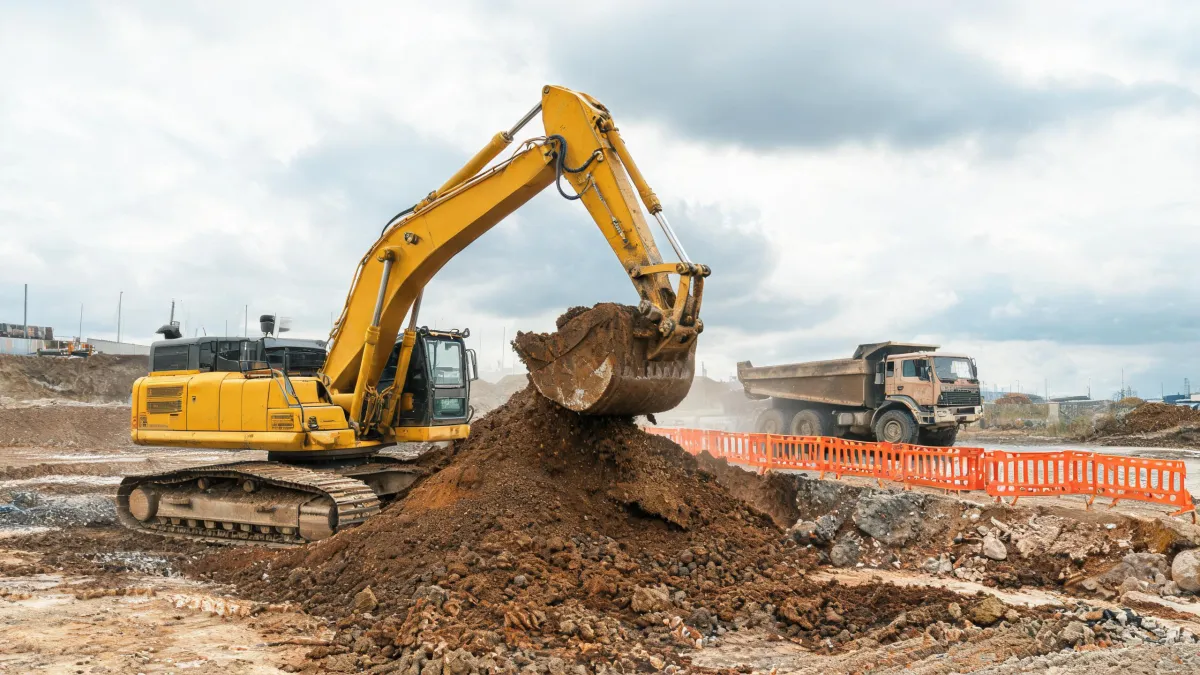
Forget the unit price. The first thing you should ask an excavator supplier isn’t “how much?” — it’s “what’s included, what’s not, and what happens if something goes wrong?” If you’re an excavator distributor exploring China excavator wholesale options, that one question will save you more than any discount ever could.
I’m part of the Sunward export team that handles rush orders — the calls that come in at 9 PM when a container is leaving in 36 hours. Seven years in this role, and I’ve watched wholesale buyers pick suppliers for all the wrong reasons. Here’s what actually matters, in order: specification accuracy, OEM flexibility, delivery reliability, and transparent pricing. That’s the checklist. Period.
Why I Trust This Checklist
In my role coordinating emergency shipments, I’ve seen the aftermath of bad decisions. Last year alone, we processed 47 rush orders with a 95% on-time delivery rate. The 5% that didn’t make it? Those keep me up at night — not because of the money, but because they were avoidable.
Take March 2025. A distributor from Algeria called on a Thursday night. They’d just realized the 25-ton excavators we’d built didn’t meet their region’s emission standard. The container was scheduled to leave Saturday. Normally, that kind of powertrain swap takes two weeks. Because we manufacture in-house, we did the swap, re-testing, and paperwork in 36 hours. The client’s alternative was a $50,000 penalty from their end customer. That’s the moment I stopped believing “it’s all fine” and started asking about the worst-case scenario.
That experience, plus a handful of painful mistakes on my own end, turned me into a pragmatist. The vendor who lists all fees upfront — even if the total looks higher — usually costs less in the end. (Example: a client once chose a quote that was 12% lower than ours, then paid 40% more in “surprise” fees. They called back. We don’t do that.)
What to Check Before You Choose a Wholesale Excavator Supplier
Every Chinese manufacturer hands you the same glossy brochure. The real difference is how they answer these four questions.
1. Specification Accuracy — The Machine Must Match Your Market
Does the excavator actually comply with the regulations and working conditions in your country? Sounds basic, but we’ve rescued more than one buyer who discovered too late that the “cheap” machine had the wrong emission tier, insufficient hydraulic flow, or a bucket coupler that no local attachment could fit. (I should add: I once ignored a spec sheet because I trusted a vendor’s word. That mistake cost us $800 in rework. I still kick myself.)
I remember a buyer in Indonesia who ordered 30 mini excavators without checking the bucket coupler standard. When the machines arrived, none of his local attachments fit. He spent three weeks and $6,000 replacing couplers. That’s a costly lesson in checking the fine print.
For wholesale orders, you’re not buying one machine — you’re buying a reputation. One unit that fails a local inspection can poison your entire brand for years. So ask for the machine’s technical parameters in writing, and verify them against your market’s requirements. If a supplier hesitates to send the full engine and hydraulic specs, walk away.
2. OEM and Private Label Support
Many Chinese factories will put your logo on a machine. The real question is: will they adapt the machine to your market’s needs? Need a longer boom for demolition? A different seat? Colors that match your brand? A second auxiliary circuit? If the factory treats every change like a crisis, they’re not an OEM partner; they’re a reseller. Sunward builds these machines in-house, so we handle custom specs as routine. That’s what “factory-direct” should mean.
For example, a distributor in Latin America wanted a special hydraulic circuit for their market’s tree-digger attachments. We designed it, tested it, and shipped it within the same lead time as a standard machine. That’s the difference between a factory and a broker.
3. Delivery Performance and Emergency Handling
Wholesale buying is all about schedules. Ask how they handle rush orders. Who answers when you need an update at 8 PM? What’s their process when something goes wrong — do they invent a story or give you a realistic recovery plan?
The vendor failure in March 2023 changed how I think about backup planning. We lost a shipment because a sub-supplier went silent for a week. Now we have redundancy built into our supply chain. But not every factory does. A good sign is when the supplier honestly says “we can’t make that date” instead of letting you discover it later. An honest delay is a gift.
4. Transparent Pricing — What’s NOT Included Matters More
Here’s where I’m most opinionated. If a quote looks too good to be true, you’re probably missing fees. Ask: “What’s NOT included?” The answer tells you everything. A straight answer means they’ve thought it through. A vague answer means they’re hiding something.
I’ve learned this lesson the hard way. The vendor who lists all fees upfront — even if the total looks higher — usually costs less in the end. At Sunward, our standard quote covers the machine, export packing, and port handling — and explicitly lists what’s excluded (import duties, for example). Not because we’re saints, but because we’d rather lose a deal than spend months fighting over a charge neither of us remembered. Transparent pricing also means no “customs title” fee that appears out of nowhere on the invoice. If you’ve dealt with that, you know the feeling. It’s basically extortion.
“The vendor who lists all fees upfront—even if the total looks higher—usually costs less in the end.”
Signs You’re Dealing With a Solid Factory (and a Few Red Flags)
Over the years, I’ve seen patterns. A reliable factory will send you detailed specs without prompting, introduce you to the actual engineer, and give you a straight answer about lead times — even when it’s not good news. A factory that’s all sales and no substance? They’ll dodge spec questions, overpromise, and treat your questions as annoyances.
One more red flag: any supplier who claims they have every model in stock, guaranteed. We don’t. Most honest factories don’t. We build to order, and we’ll tell you exactly how long that takes. If you need a machine in two weeks and it’s not available, we’ll say so — even if it means losing the sale. That’s how trust works.
Where This Checklist Doesn’t Apply
This whole framework assumes you’re buying wholesale — multiple units, long-term relationship, your own brand at stake. If you’re buying a single used excavator for your own job site, or renting a machine for a month, the rules are different. You don’t need OEM flexibility or custom specs. You need a working machine at the lowest cost per hour. That’s not what we do, and we won’t pretend otherwise.
Also, if you’re in a market where you’ll never need after-sales support (you buy once and throw it away — rare, but it happens), then skip the long-term questions and just compare prices. But if you’re a distributor, remember that your customers will come back to you with problems. The factory that answers your 9 PM call is the one that keeps your business alive.
A final honest note: even good suppliers screw up. What separates the reliable ones is what they do afterwards. So before you sign the contract, ask for their after-sales escalation process — who owns the problem, when do you get an answer. That’s the thing I’d check if I were in your shoes.