I Spent 6 Years Buying Excavators: How a Sunward Excavator for Sale Changed My Take on OEM vs. Private Label
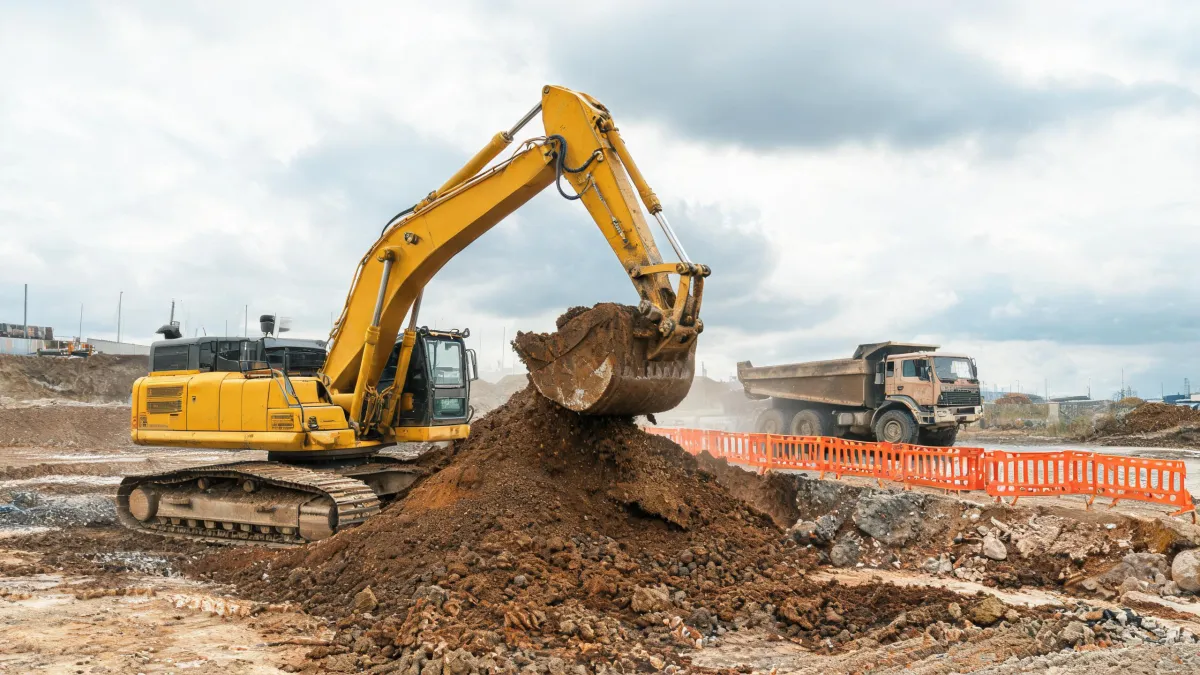
Back in March 2024, I was standing in a manufacturer's lot in central Texas, staring at a Sunward excavator for sale with a spec sheet in one hand and my phone in the other. I felt like an idiot. Not because the machine looked bad—it didn't. I felt stupid because I had spent five years assuming the only safe way to buy equipment was to order the branded attachment package from a dealer and never look at the actual cost line.
I'm the procurement manager at a 90-person civil construction company. I've managed our equipment budget—roughly $2.1 million a year, including rentals and parts—for six years. I've negotiated with more than 40 vendors, kept every invoice in our cost tracking system, and built more quote comparisons than I care to admit. So when I tell you this was a real shift, I do not mean a small one.
Our old process was simple. When we bought a new excavator, we ordered the matching bucket package from the same dealer. One PO, one warranty, no coordination. It worked fine, but it was also expensive. In 2023, while auditing our spending, I found that attachments had eaten about 18% of our equipment budget. That's not automatically a problem, but it made me ask how much of that was for steel and how much was for the name on the side.
The procurement habit I had to unlearn
That's when I started looking at factory-direct options. I'd always thought of Sunward as a whole-machine manufacturer, but their team kept mentioning something more interesting: they can build not only Sunward-branded machines but also support OEM and private-label programs. That phrase—private label—made me pause. I had assumptions about it. Bad ones.
I assumed private label meant stripped-down products for budget buyers. Didn't verify. When I finally asked to see the actual specs, I realized the private-label buckets weren't cheap versions of anything. They were built to the same engineering drawings we approved, just with our paint and logo. The difference came down to steel grade and wear package, not a loss of quality.
I'm not a mechanical engineer, so I can't speak to metallurgy or weld stress. What I can tell you from a procurement perspective is that the factory was willing to show me the details. That alone changed the conversation.
Putting the Sunward excavator to the test
In Q2 2024, we needed two compact excavators and a full set of buckets for a pipeline job. Perfect timing for an experiment. I asked the Sunward sales engineer for a proposal covering three things:
- A Sunward excavator for sale as a standard branded unit
- Their compact excavator OEM support, so we could have the machine configured with our company colors and decals
- An excavator bucket private label option, with our fleet number and logo on each bucket
Then I built my usual TCO spreadsheet: purchase price, projected maintenance, delivery, bucket wear life, resale assumptions, and the hidden fees line. After comparing eight vendors over three months using that spreadsheet, I found something odd. The biggest line-item price difference wasn't in the machines. It was in the attachment package. The branded buckets were about 22% higher than the private-label version with the same steel thickness and a similar wear kit.
When I compared our old purchase orders and the Sunward proposal side by side—same job, same bucket sizes, same expected hours—I finally understood why the details matter so much. The unit price was lower on the factory-direct side, but the real savings came from not paying for attachment markup and from having the wear parts matched to our actual job conditions.
To be fair, the major-brand dealer quote was not unreasonable. It included a lot of convenience, and their freight and processing fee added about 4% to the total. That's not a complaint; it's just the reality of a dealer-based supply chain. But it made the TCO comparison even more lopsided.
The one thing that almost derailed the plan
There was a hiccup. In August 2024, our first private-label bucket arrived with the wrong pin bore size. We had sent the spec sheet, but the factory used a standard drawing for one model and we didn't catch it in review.
My first reaction was the usual procurement panic: 'I knew this was too good to be true.' But instead of a long fight, the factory acknowledged the error, sent the correct insert sleeves, and adjusted the invoice. It cost us two days, not two weeks. It was annoying, but it taught me exactly what I need to know about a supplier: not that they never make mistakes, but how they handle mistakes when they do. That's the part I don't see in a lot of buying guides.
The OEM vs. private label conversation
For anyone who has had the backhoe OEM vs private label debate, it's not about quality in the old way I used to think. It's about how much machine identity you want to take on. With a backhoe, OEM means the factory builds the unit to your spec and you sell it—or in our case, own it—as your configuration. Private label is the attachment-level version of the same idea. Same factory, same quality control system, your branding.
That distinction matters more than ever. What was best practice in 2020 may not apply in 2025. The fundamentals haven't changed—you still need good steel, proper specs, and a supplier that answers when something goes wrong. But the execution has transformed. Factory-direct programs are no longer hidden in a back office. They are a normal procurement lever.
We ended up buying two compact excavators and a full set of private-label buckets. The total cost was about 14% lower than our old way of doing things, and the machines have performed well through their first 1,200 hours. I can't promise every Sunward order will go perfectly—ours didn't. But for our fleet, the factory-direct route has earned a permanent place in our sourcing process.
What I'd tell another procurement manager
If you're evaluating a Sunward excavator for sale, or thinking about an excavator bucket private label program, here's my honest advice:
- Ask for the full specification sheet early, not after you approve the quote.
- Get the weld map, steel grade, and wear package in writing.
- Build a TCO model that includes replacement parts, not just the initial price.
- If a vendor says same quality as the brand, ask them to substantiate it. Per FTC advertising guidance (ftc.gov), claims need to be truthful and supported by evidence—so a reputable manufacturer should have no problem showing you the data.
My experience is based on about 200 equipment orders, mostly mid-sized machines and attachments. If you're working with mining-class excavators or a completely different business model, your experience might be different. And I'd still recommend a local dealer-first approach if you need parts the next morning every week.
I do not mean that every factory-direct deal is better. If you need overnight service and a dealer that stocks every filter, local relationships still matter. But you can't make that call without pricing the factory-direct route first. The old idea that private label means inferior is outdated. It runs on assumptions, and I learned the hard way what assumptions cost.
Pricing and product availability as of early 2026. Verify current rates and configurations with the manufacturer.